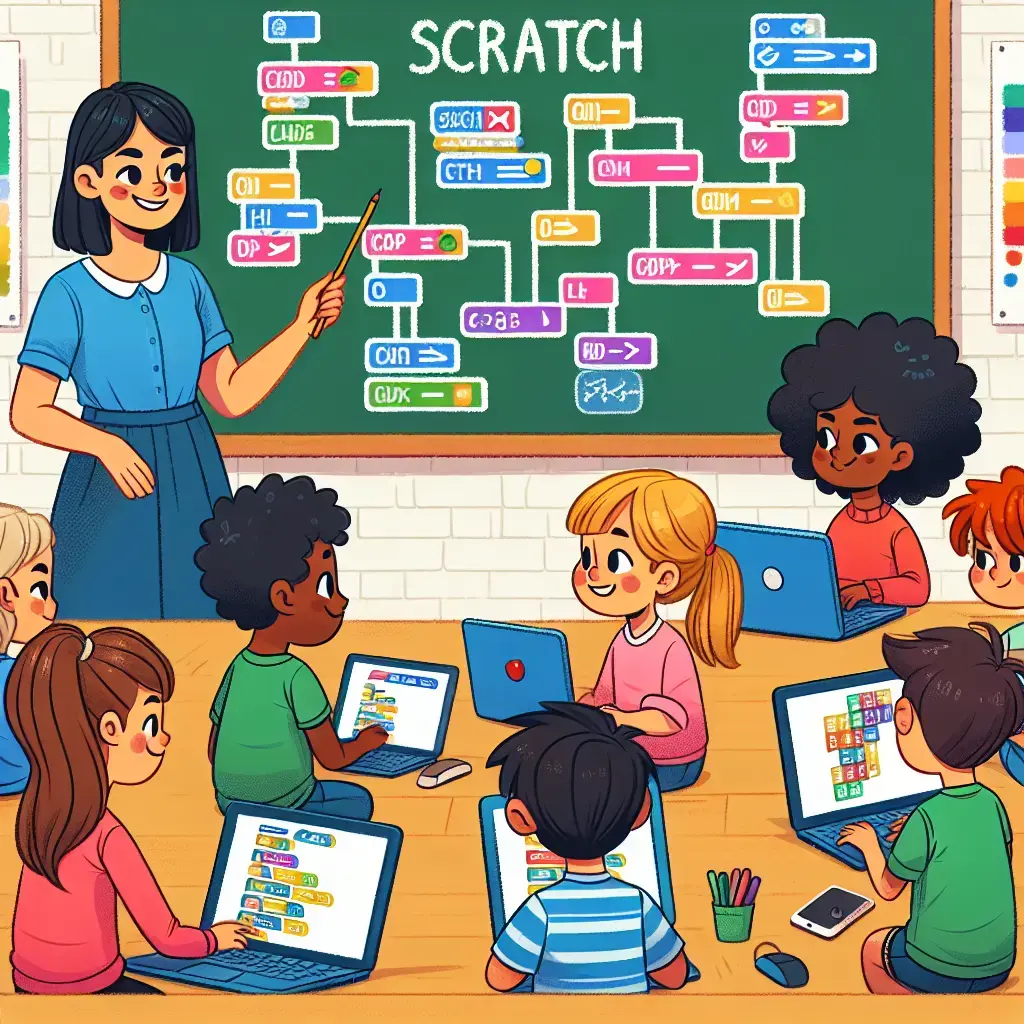
In today’s ever-evolving digital landscape, introducing kids to game development is becoming more than just a trendy extracurricular activity—it’s an essential skill that empowers young minds to navigate and shape the technological future. One of the most accessible and engaging platforms for this purpose is Scratch. Developed by the MIT Media Lab, Scratch provides a vibrant gateway into coding that transforms complex programming concepts into playful, interactive experiences. This makes it particularly suited for beginner game development for kids.
The Power of Play: Why Game Development?
Game development with Scratch is not just about learning to code; it's about sparking creativity and innovation. By creating their own interactive games and animations, children learn fundamental skills like programming logic, problem-solving, and critical thinking. According to recent research on virtual learning environments, students who engage in creative digital projects exhibit enhanced engagement and retention of educational content (Social Education Research, 2023). This underscores the importance of platforms like Scratch in education.
Moreover, in our rapidly advancing world, coding is becoming as fundamental as literacy and numeracy. Introducing kids to game development ensures that they are not just passive consumers of technology but active creators. By starting with Scratch programming for kids, they gain confidence and competence that can be applied to more advanced programming languages in the future.
Nurturing Passion through Interactive Learning
Scratch projects for beginners provide an intuitive platform where kids can explore and express their ideas through coding games for kids. These projects encourage not only technical skills but also foster collaboration and communication as children often work together to solve problems and bring their creative visions to life. This collaborative environment is echoed in the workplace, where teamwork is crucial, as highlighted by people who hire teens. They recommend supporting teens in their job searches by encouraging group activities that build these essential skills (Family Education, 2023).
With Scratch game tutorials for kids, educators can integrate coding into various subjects, turning educational games with Scratch into captivating adventures that make learning fun and relevant. Libraries across New York City, including NYPL, Brooklyn Public Library, and Queens Public Library, have embraced this trend by offering workshops that combine storytelling with coding (NYPL Events, 2024). These programs demonstrate how libraries can be hubs of innovation and learning during the summer months.
Creating a Pathway to the Future
As technology becomes more integrated into everyday life, the demand for digital literacy has never been greater. Kids learn to code games in a way that enhances their understanding of digital technologies and prepares them for future opportunities. A study published in the Journal of Educational Computing Research (2023) found that early exposure to coding significantly boosts problem-solving skills and adaptability—traits that are highly valued in the tech industry.
Furthermore, Scratch’s emphasis on creativity aligns with the current shift towards a more holistic approach to education. With its visual interface and drag-and-drop functionality, Scratch makes fun coding for children accessible and enjoyable, allowing them to see immediate results from their efforts. This immediate feedback loop keeps children motivated and eager to explore more complex concepts.
Addressing Current Challenges and Opportunities
As we introduce kids to game development with Scratch, it's important to consider the broader context in which they are learning. Recent developments in education and health research provide both challenges and opportunities. For instance, groundbreaking research on T-lineage acute lymphoblastic leukemia (T-ALL) has shifted our understanding of genetic influences on childhood diseases (Nature Genetics, 2024). This type of knowledge could inspire educational content within Scratch projects that raise awareness and understanding of scientific topics.
Additionally, online platforms like Equip have revolutionized how we approach mental health support for young people by providing virtual therapy services (Forbes Health, 2023). These digital advancements highlight the potential for technology-driven solutions in education and health, further emphasizing the importance of digital literacy skills gained through platforms like Scratch.
Encouraging Parental Engagement
Parents play a vital role in supporting their children's journey into game development with Scratch. Encouragingly, studies have shown that parental involvement in virtual learning positively impacts children's academic performance (Social Education Research, 2023). Parents can enhance this experience by exploring Scratch projects alongside their children or participating in workshops offered by local libraries or online communities.
Moreover, for parents concerned about the financial aspects of education, programs like Scratch offer a cost-effective way to provide children with valuable skills without the need for expensive equipment or software subscriptions. This aligns with broader financial concerns faced by many families today, such as those expressed by individuals like Becky Davenport who are seeking ways to ensure their children's futures are secure despite economic uncertainties (Bloomberg Retirement News, 2024).
Conclusion: Embracing the Future with Scratch
The journey into game development with Scratch opens up endless possibilities for children. It nurtures creativity, encourages collaboration, and develops critical problem-solving skills—all essential components for success in our increasingly digital world. By fostering a love for technology through engaging platforms like Scratch, we empower children to become innovators who will shape the future.
As educators and parents continue to explore this Scratch game development guide, they will discover a wealth of resources designed to make learning both educational and entertaining. From interactive games for kids with Scratch to comprehensive tutorials that guide beginners through their first projects, this platform offers a transformative learning experience.
Incorporating insights from current research and societal trends ensures that introducing kids to game development remains relevant and impactful. By engaging with Scratch programming for kids today, we pave the way for a brighter tomorrow filled with tech-savvy creators ready to tackle the challenges of our dynamic world.
For those eager to start or further explore game development with Scratch, I encourage you to visit the Scratch official website for comprehensive tutorials and resources.
Until next time, keep coding and creating!
Author:
William Donovan