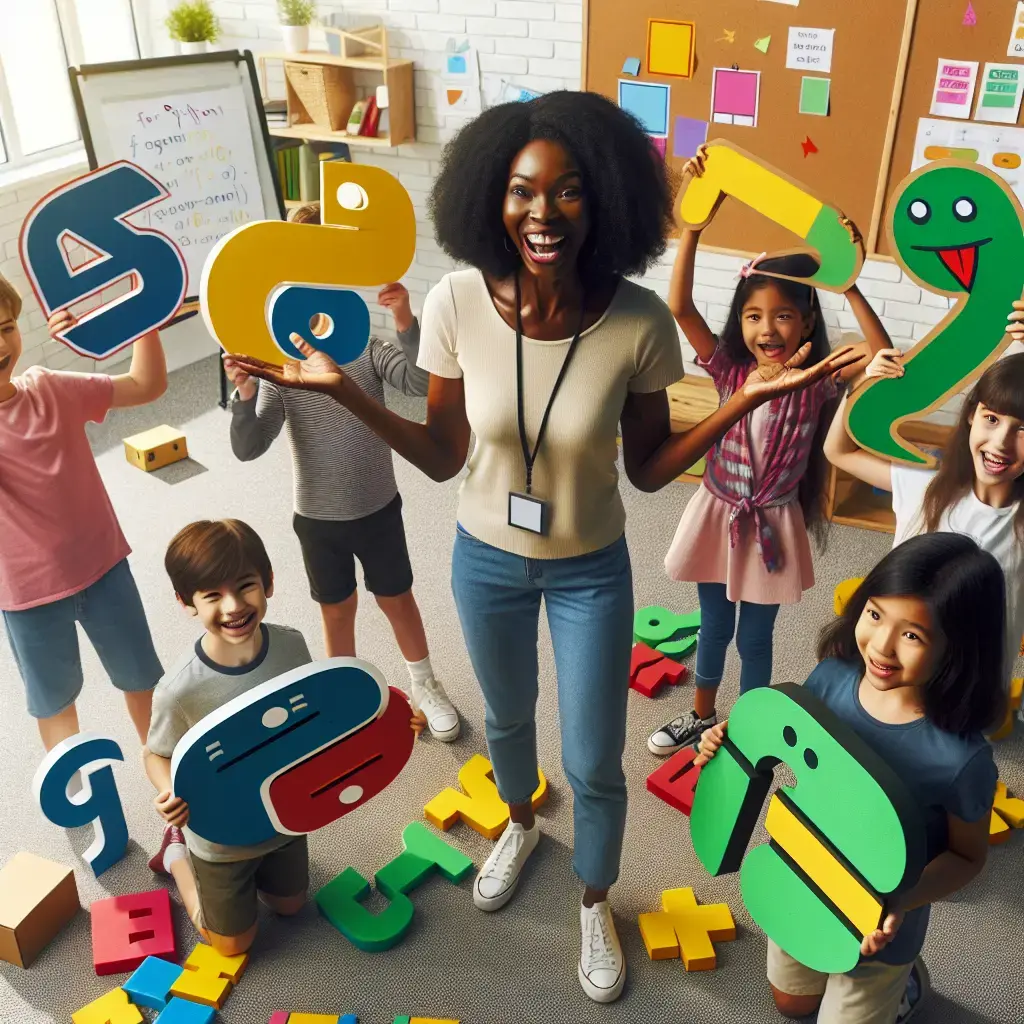
In today's tech-driven world, integrating fun and engaging activities into programming education for children is not just beneficial—it's essential. This section delves into creative strategies to make learning Python a thrilling adventure for young learners.
Understanding the Importance of Support in Learning
Before diving into Python coding for kids, it's crucial to recognize the significance of support and guidance in their educational journey. Just as individuals hiring teens offer valuable insights into supporting their first job search, educators and parents play a pivotal role in nurturing a child's programming skills. Providing encouragement and resources can make the learning process less stressful and more enjoyable.
The Role of Interactive Python Lessons
Interactive Python lessons for kids are an excellent way to capture their interest and spark curiosity. By incorporating engaging activities, children can explore coding concepts in a hands-on manner. Similar to how virtual learning transformed during the COVID-19 pandemic, as highlighted by studies on parent perceptions, interactive platforms provide an effective means of keeping students engaged—a principle that applies well to teaching Python.
Beginner Python Projects: Building Confidence
Starting with beginner Python projects is crucial for building confidence among young learners. Imagine the joy on a child's face when they successfully create Python games or complete easy projects tailored for children. These projects should align with their cognitive levels, ensuring that learning remains a fun-filled experience. Simple games like "Rock, Paper, Scissors" or "Guess the Number" serve as excellent starting points.
Incorporating Fun Python Activities
To maintain momentum, integrate fun Python activities into lessons. Engaging tasks like creating digital art with Python's Turtle module or developing simple animations can make coding with Python an enjoyable journey. Libraries often host workshops and provide resources that encourage exploration and creativity, similar to initiatives in programs like "Summer at the Library 2024."
Leveraging Child-Friendly Python Tutorials
Child-friendly Python tutorials are vital in making complex concepts accessible. Just as specialized virtual therapy is tailored to meet specific needs, Python education for kids must be adapted for young minds. Online platforms offer tutorials that incorporate colorful visuals and relatable examples, transforming abstract ideas into tangible understanding.
Using Creative Python Exercises
Creative Python exercises are excellent tools for maintaining interest and enhancing problem-solving skills. Educators can design exercises mimicking real-world applications or use storytelling techniques to explain coding logic. This approach mirrors how emotionally engaging campaigns capture viewers' emotions through compelling narratives.
Exploring Innovative Strategies
As we explore innovative strategies to teach kids Python basics, it's essential to stay informed about advancements in other fields. Consider groundbreaking research methodologies that adapt to new insights; similarly, using the latest educational tools can significantly enrich Python learning experiences for kids.
Utilizing Python Learning Tools for Kids
Python learning tools offer a blend of theoretical knowledge and practical application. These resources guide educators and parents in crafting an environment that encourages exploration and experimentation. Platforms like Code.org or Scratch provide interactive interfaces where children can learn Python basics through playful experimentation.
Encouraging Exploration Through Hands-On Activities
Encouraging exploration through hands-on activities is crucial for fostering a deep-rooted interest in programming. As seen in various successful educational strategies, balancing structure with flexibility is key. Activities like building simple web apps using Flask or creating data visualizations with Matplotlib offer practical insights into real-world applications.
Conclusion: Empowering the Next Generation of Coders
Teaching Python to children can be an exhilarating journey filled with creativity, exploration, and discovery. By adopting innovative strategies and engaging tools, we can make programming an accessible and enjoyable experience for young learners. Here’s a recap of the essential points:
- Supportive Environment: Recognizing the importance of encouragement and guidance from educators and parents.
- Interactive Lessons: Utilizing platforms that captivate interest and enhance learning.
- Beginner Projects: Starting with simple projects to build confidence.
- Fun Activities: Integrating digital art and animations to maintain motivation.
- Child-Friendly Tutorials: Simplifying complex concepts with visuals.
- Creative Exercises: Designing exercises that mimic real-world applications.
- Innovative Strategies: Staying informed about the latest educational tools.
- Hands-On Exploration: Encouraging practical application through projects.
By focusing on these aspects, we pave the way for nurturing future tech enthusiasts. As educators, parents, or mentors, our role is pivotal in shaping today's curious minds into tomorrow's innovators. Let’s continue to inspire and engage by making Python education both meaningful and fun.
We invite you to share your experiences and insights on teaching Python to kids. Have you tried any unique strategies or activities that sparked interest? Join the conversation in the comments below. For more resources and community support, explore Code.org or Scratch, where you can find comprehensive guides tailored for young learners.
Happy coding!
Author:
William Donovan