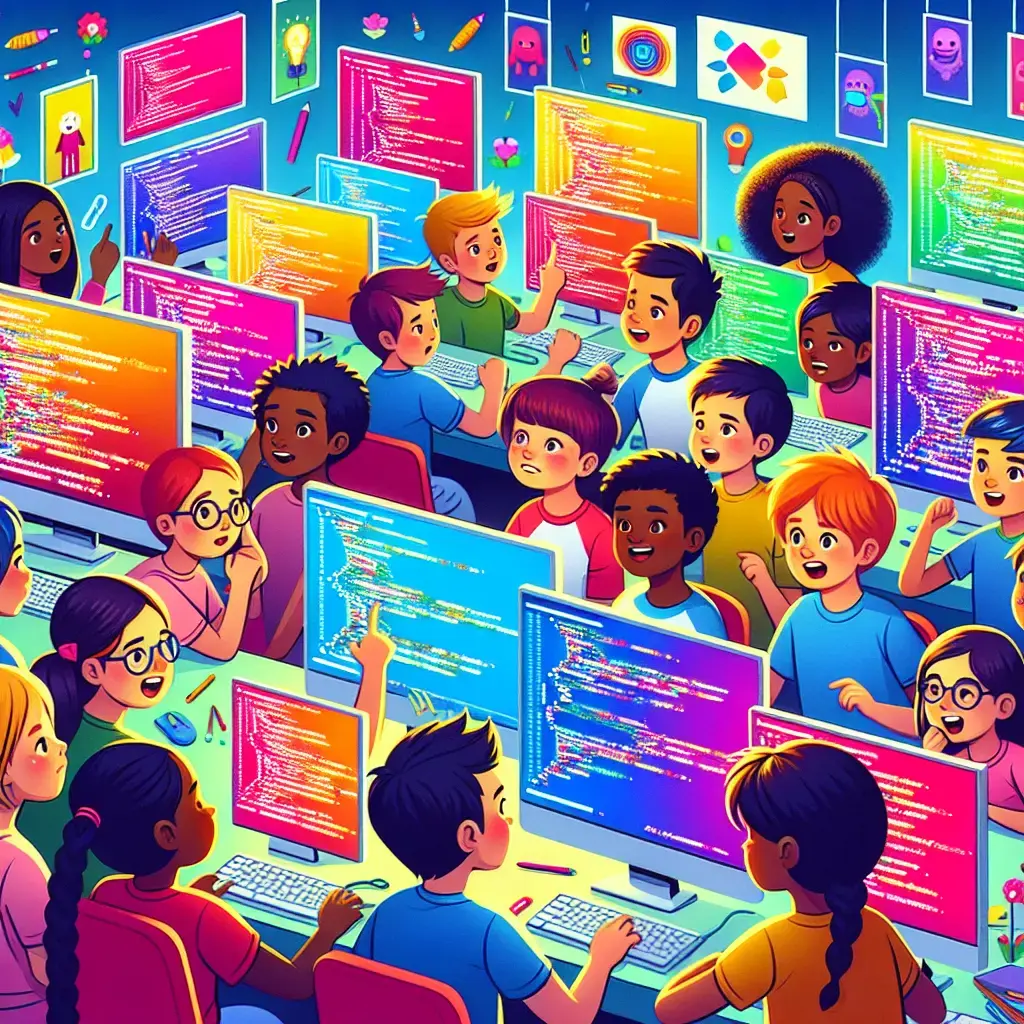
Exploring Creative Coding Projects for Kids Using HTML and CSS
In today's digital age, technology permeates every aspect of life. Empowering children with the ability to navigate and create in the online world is more essential than ever. Creative coding for kids is not just a skill but a gateway to endless opportunities in STEM fields, blending imagination with technology. This section delves into how children can embark on creative coding projects using HTML and CSS, leveraging the latest trends and findings to enrich their learning experience.
The Importance of Teaching Kids HTML and CSS
Why teach children HTML and CSS? These foundational web development languages are crucial as they form the backbone of many digital platforms children interact with daily. By engaging in HTML projects for children and CSS projects for kids, young learners not only grasp technical skills but also enhance their creativity and problem-solving abilities. According to a recent study, introducing coding at a young age significantly boosts logical thinking and creativity.
Beginner Coding Projects: The Gateway to Innovation
Starting with beginner coding projects, children can ease into the world of coding without feeling overwhelmed. Simple projects such as creating a personal webpage or a digital scrapbook can ignite a passion for more complex endeavors. These projects are not only educational but also serve as an interactive platform for self-expression. As noted by educators, beginner projects help lay a solid groundwork for future tech-savvy innovators.
Interactive Coding Projects: Bridging Learning with Fun
Interactive coding projects transform traditional learning into an enjoyable experience. Engaging with coding games for kids and educational activities allows them to learn through play. This method not only makes learning fun but also reinforces knowledge through practical application. The latest trends in educational technology, highlighted in Tech Crunch, show a significant rise in gamified learning tools, emphasizing the role of play in education.
Educational Coding Activities: Enhancing Problem-Solving Skills
Coding teaches children more than just how to build websites; it instills essential problem-solving skills. Through educational coding for children, kids learn to break down complex problems into manageable tasks, a skill highly valued in any career. As Forbes points out, the ability to solve problems creatively is increasingly important in today's job market.
The Role of Coding Workshops for Children
With the growing popularity of coding workshops for children, parents and educators have more resources than ever to support young learners. These workshops offer hands-on experience with HTML and CSS tutorials for kids, providing guidance from experienced instructors. Such initiatives are crucial in fostering an early interest in STEM fields, which aligns with the increasing emphasis on digital literacy in education policies worldwide.
Recent Developments in Child Education and Technology
In light of recent news, it's important to consider how broader educational trends intersect with technology. For instance, researchers have uncovered new insights into T-lineage acute lymphoblastic leukemia (T-ALL), highlighting the need for innovative educational tools that incorporate health awareness (Science Daily). Similarly, the rise of virtual learning during the pandemic has reshaped parental perceptions of education, emphasizing the need for adaptable teaching methods that include coding (Social Education Research).
Practical Examples of Creative Coding Projects
- Personal Portfolio Website: A project where kids learn to create a simple yet effective portfolio showcasing their interests and hobbies.
- Digital Storybook: Combining storytelling with web design, children can craft a narrative using HTML and CSS.
- Interactive Quiz Game: Utilizing CSS for styling, kids can develop a fun quiz game, reinforcing both coding skills and knowledge on various subjects.
How Libraries Can Support Coding Education
Programs like "Summer at the Library" offer valuable resources for children interested in coding. Libraries across New York, such as NYPL, provide free access to coding workshops and tutorials, ensuring all children have the opportunity to learn.
Conclusion: Empowering Young Innovators Through Coding
In summary, introducing children to creative coding using HTML and CSS is a crucial step toward equipping them with essential skills for the future. Here are the key takeaways:
- Foundational Skills: Teaching children HTML and CSS forms a strong technical foundation, enhancing both creativity and problem-solving abilities.
- Beginner Projects: Simple projects like personal web pages or digital scrapbooks make coding accessible and fun, sparking interest in technology.
- Interactive Learning: Engaging with interactive projects and games fosters learning through play, reinforcing coding skills in a fun and meaningful way.
- Problem-Solving Enhancement: Coding enhances problem-solving skills by teaching children to tackle complex challenges through systematic thinking.
- Supportive Resources: Coding workshops and library programs offer valuable hands-on learning experiences, ensuring all children have access to coding education.
As we advance into 2024, the integration of coding into children's education is more vital than ever. By encouraging young learners to embark on creative coding projects, we prepare them for a future where digital literacy is indispensable. Whether through workshops, online resources, or interactive games, numerous avenues exist to support this educational journey.
We invite you to reflect on the impact of coding education in your community. How can you contribute to fostering an environment where learning and creativity intersect? Share your experiences or insights in the comments below; your thoughts could inspire others to take action.
Embrace the challenge to nurture the next generation of digital creators. Dive into the world of creative coding and witness how it transforms education into an exciting adventure.
Author: William Donovan